








Featured Shapes, Progressive Foils, and Sustainable Designs
Alt Fin Art Editions, Ltd. | AFAE 001 - 005
The Double Exposure Project x Russell Spencer | Licensed and Published x Alt Fin & Co.


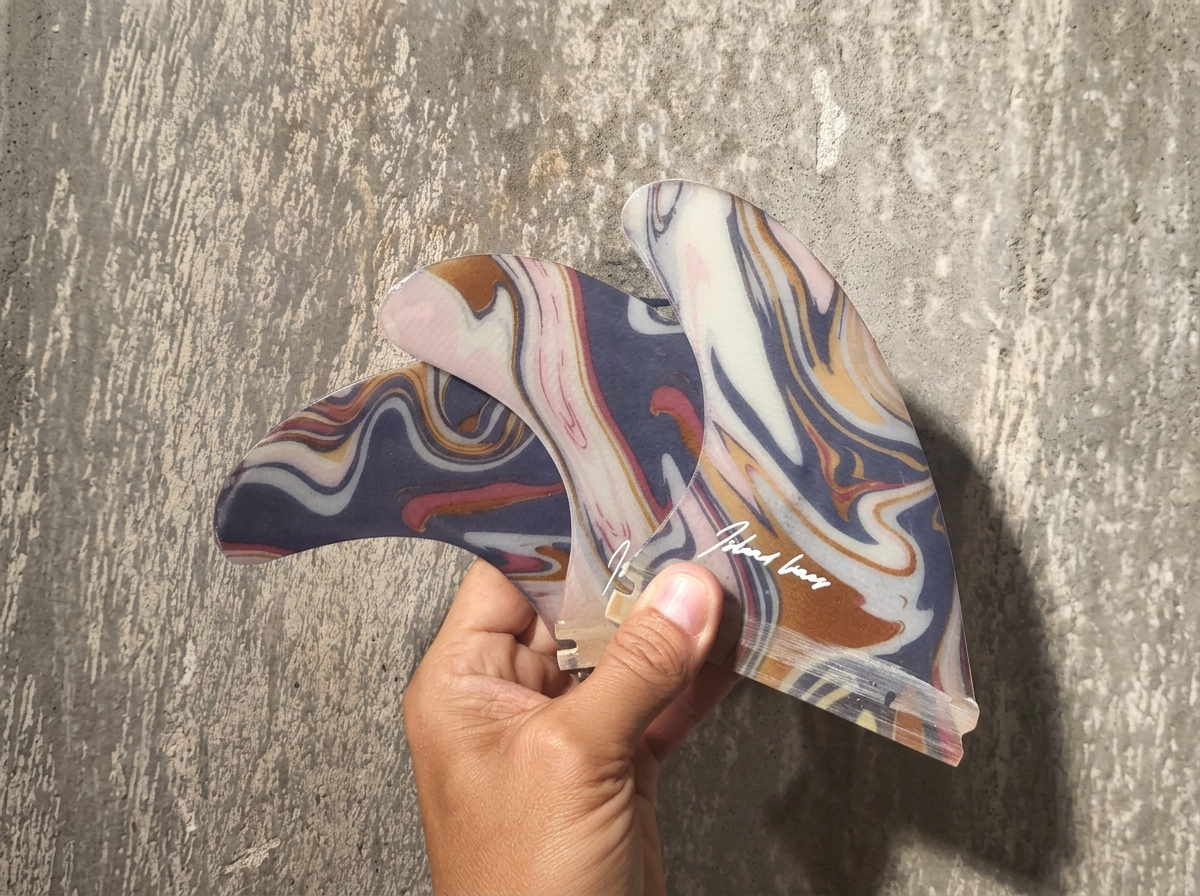
Island Lines fins are designed to enhance your ride and elevate your surfing experience. Whether you're a great surfer or just catching your first waves, our limited edition fins offer the perfect blend of stability and agility, allowing you to confidently carve through the waves.
Sustainable Thruster surf fins made from recycled plastic - for your Future Board (3 fins). Our Thruster (Tri-Fin) is our all-around fin set. This versatile surf fin works in all sorts of different surf conditions. The functional shape provides just the right amount of drive.
Ideal surfboard: Shortboard / Thruster | Recycled Carbon + Plastic
Size / Height: M/L - 117mm (4.63 '')
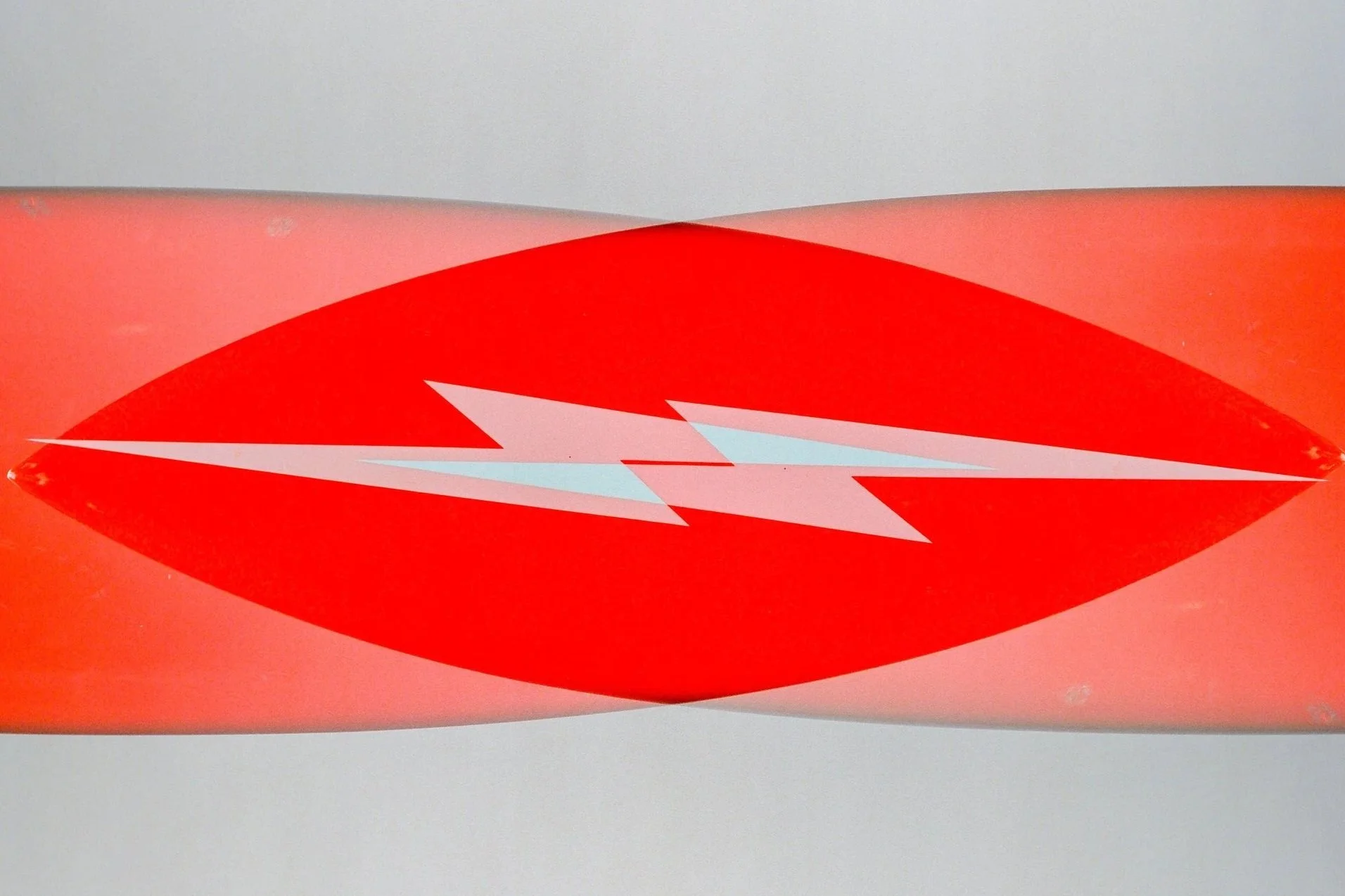
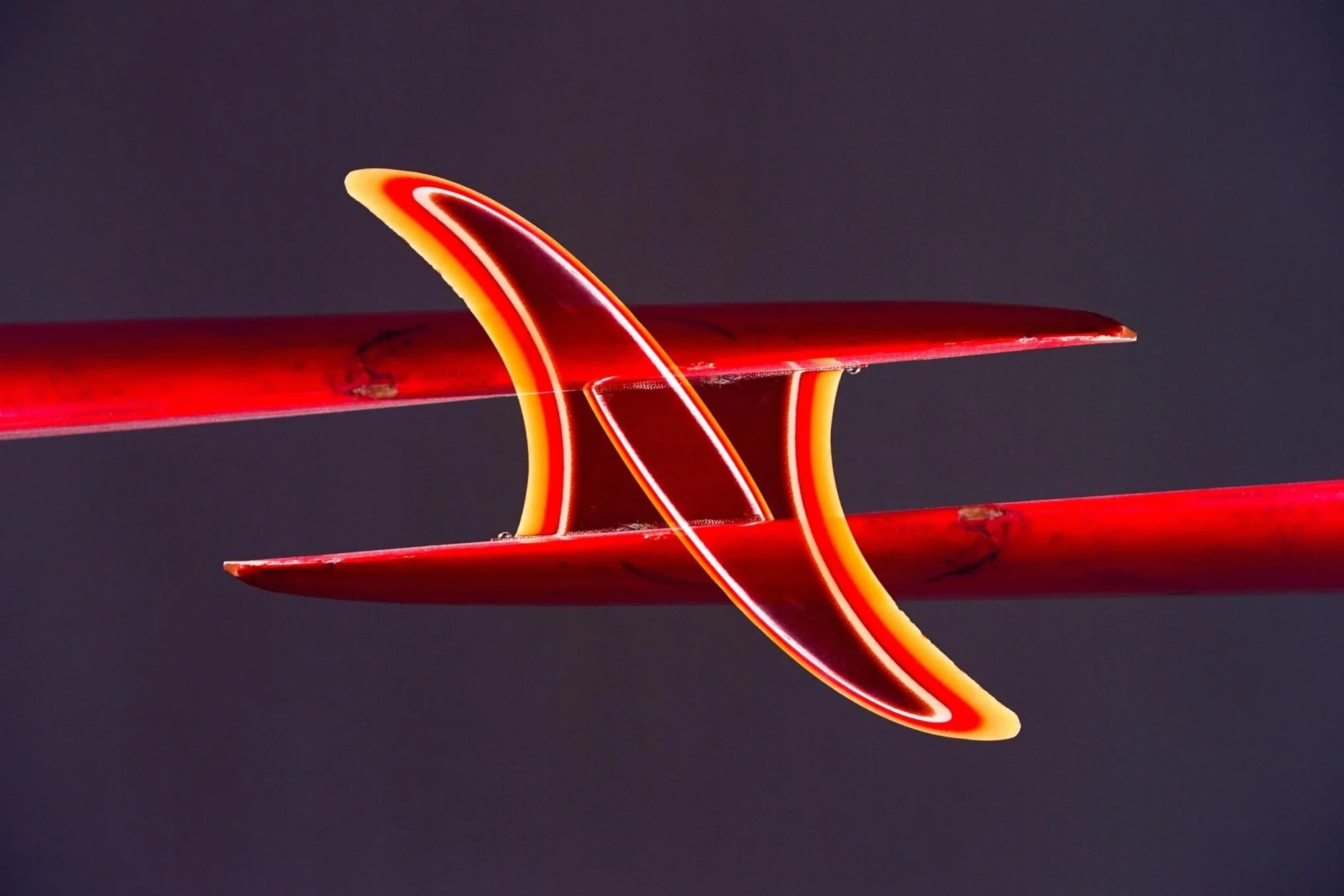
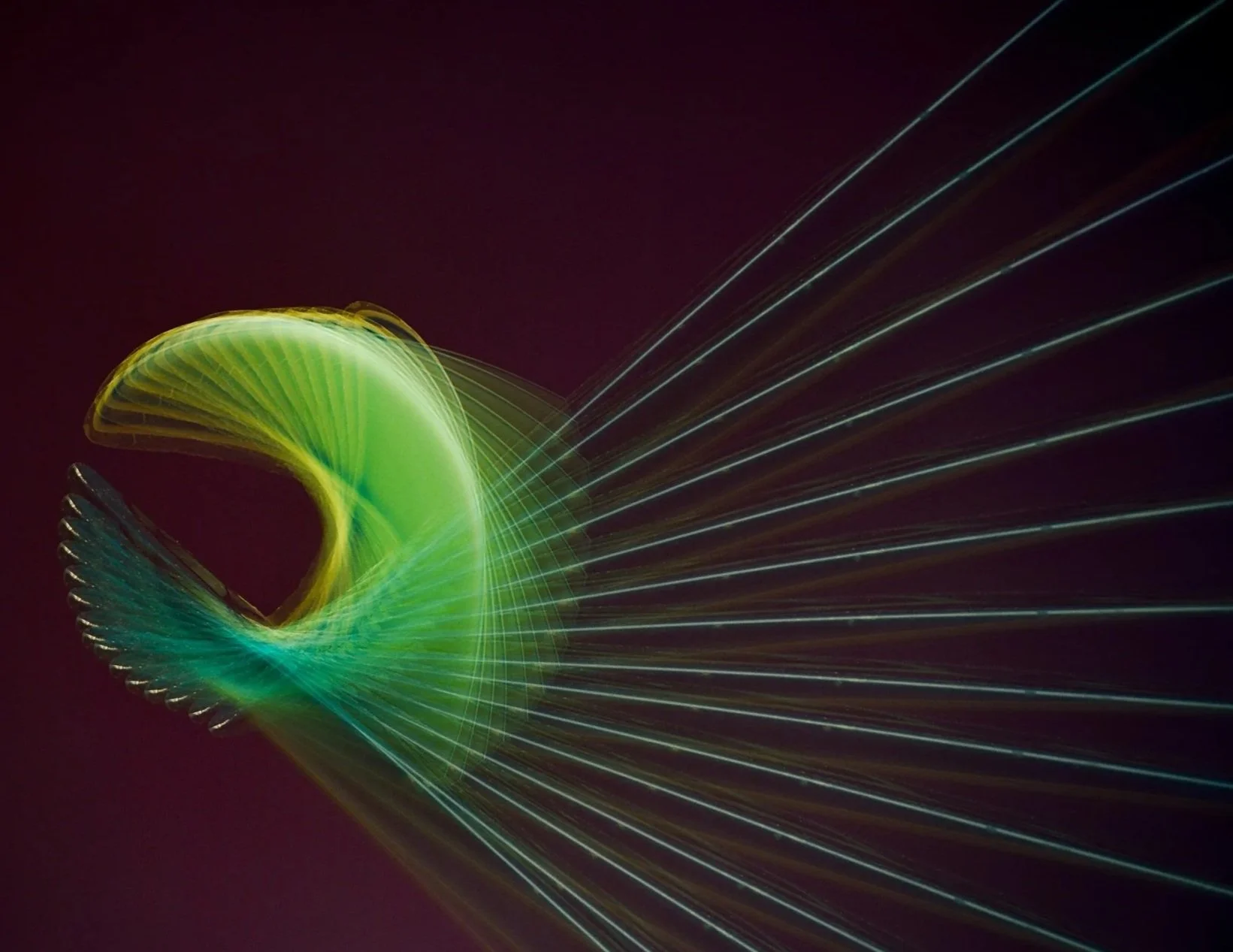
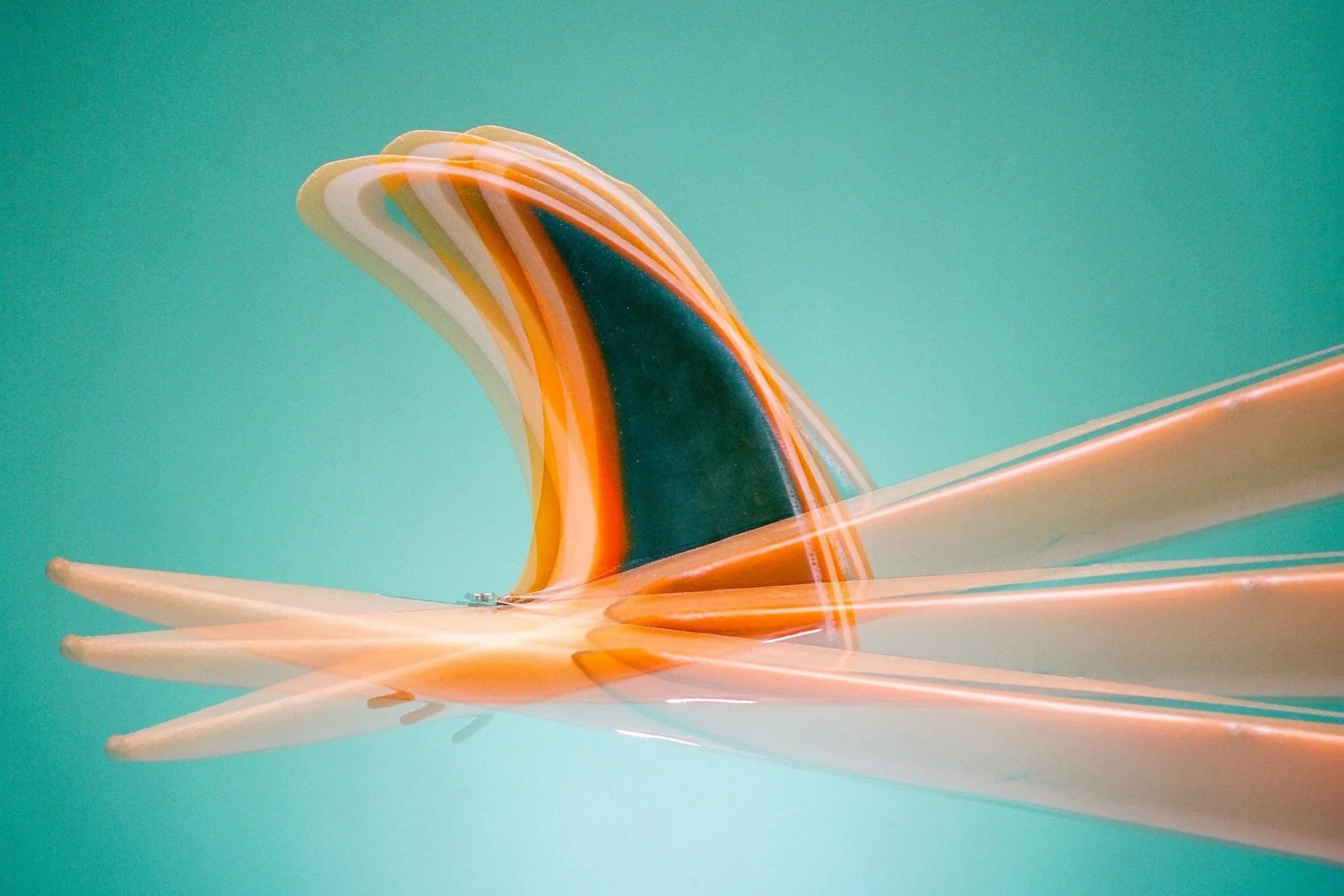
Each image is the result of a meticulous analog process: the artist manually advanced the medium-format film from frame to frame—1, 2, 3, and onward—exposing individual frames multiple times to achieve a visual rhythm of light, shape, and motion. What began as a curiosity with double exposure evolved into a deep exploration of compound exposures, pushing the limits of what could be revealed through light and film alone.
Shot entirely on Kodak and Fuji 120 film stocks of varying speeds, these photographs are untouched by filters or digital manipulation. There is no Photoshop here—only light, timing, and intention. The process begins with a conceptual spark, a rough sketch on paper, and a quiet calculation of exposure compensation using simple math.
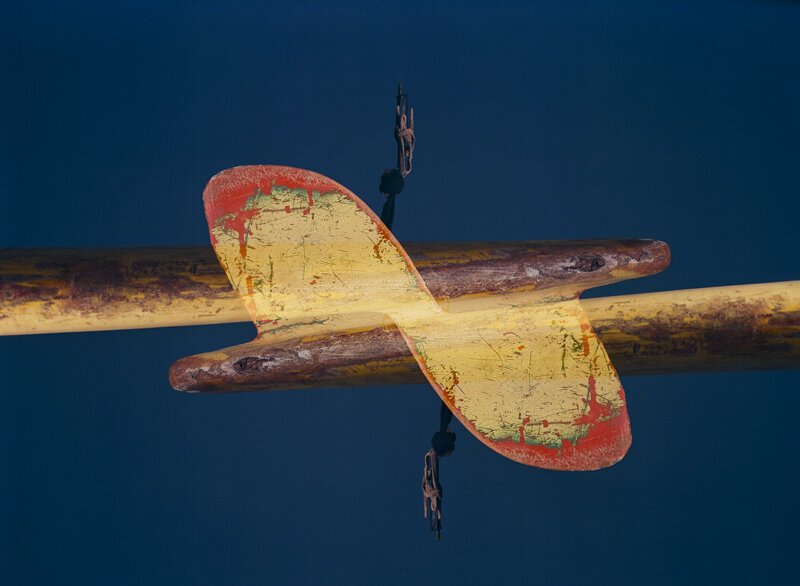
From each roll of 15 exposures, only two images—on average—meet the artist’s high standard for composition and clarity. The boards themselves were sourced from the California Surf Museum in Oceanside, California, where they continue to reside on public display.
A culmination of craft and concept, this body of work earned the artist the cover of The Surfer’s Journal, June 2020 issue.
Each image is the result of a meticulous analog process: the artist manually advanced the medium-format film from frame to frame—1, 2, 3, and onward—exposing individual frames multiple times to achieve a visual rhythm of light, shape, and motion. What began as a curiosity with double exposure evolved into a deep exploration of compound exposures, pushing the limits of what could be revealed through light and film alone.
Shot entirely on Kodak and Fuji 120 film stocks of varying speeds, these photographs are untouched by filters or digital manipulation. There is no Photoshop here—only light, timing, and intention. The process begins with a conceptual spark, a rough sketch on paper, and a quiet calculation of exposure compensation using simple math.
From each roll of 15 exposures, only two images—on average—meet the artist’s high standard for composition and clarity. The boards themselves were sourced from the California Surf Museum in Oceanside, California, where they continue to reside on public display.
A culmination of craft and concept, this body of work earned the artist the cover of The Surfer’s Journal, June 2020 issue.
Each image is the result of a meticulous analog process: the artist manually advanced the medium-format film from frame to frame—1, 2, 3, and onward—exposing individual frames multiple times to achieve a visual rhythm of light, shape, and motion. What began as a curiosity with double exposure evolved into a deep exploration of compound exposures, pushing the limits of what could be revealed through light and film alone.
Shot entirely on Kodak and Fuji 120 film stocks of varying speeds, these photographs are untouched by filters or digital manipulation. There is no Photoshop here—only light, timing, and intention. The process begins with a conceptual spark, a rough sketch on paper, and a quiet calculation of exposure compensation using simple math.
From each roll of 15 exposures, only two images—on average—meet the artist’s high standard for composition and clarity. The boards themselves were sourced from the California Surf Museum in Oceanside, California, where they continue to reside on public display.
A culmination of craft and concept, this body of work earned the artist the cover of The Surfer’s Journal, June 2020 issue.
Each image is the result of a meticulous analog process: the artist manually advanced the medium-format film from frame to frame—1, 2, 3, and onward—exposing individual frames multiple times to achieve a visual rhythm of light, shape, and motion. What began as a curiosity with double exposure evolved into a deep exploration of compound exposures, pushing the limits of what could be revealed through light and film alone.
Shot entirely on Kodak and Fuji 120 film stocks of varying speeds, these photographs are untouched by filters or digital manipulation. There is no Photoshop here—only light, timing, and intention. The process begins with a conceptual spark, a rough sketch on paper, and a quiet calculation of exposure compensation using simple math.
From each roll of 15 exposures, only two images—on average—meet the artist’s high standard for composition and clarity. The boards themselves were sourced from the California Surf Museum in Oceanside, California, where they continue to reside on public display.
A culmination of craft and concept, this body of work earned the artist the cover of The Surfer’s Journal, June 2020 issue.
Each image is the result of a meticulous analog process: the artist manually advanced the medium-format film from frame to frame—1, 2, 3, and onward—exposing individual frames multiple times to achieve a visual rhythm of light, shape, and motion. What began as a curiosity with double exposure evolved into a deep exploration of compound exposures, pushing the limits of what could be revealed through light and film alone.
Shot entirely on Kodak and Fuji 120 film stocks of varying speeds, these photographs are untouched by filters or digital manipulation. There is no Photoshop here—only light, timing, and intention. The process begins with a conceptual spark, a rough sketch on paper, and a quiet calculation of exposure compensation using simple math.
From each roll of 15 exposures, only two images—on average—meet the artist’s high standard for composition and clarity. The boards themselves were sourced from the California Surf Museum in Oceanside, California, where they continue to reside on public display.
A culmination of craft and concept, this body of work earned the artist the cover of The Surfer’s Journal, June 2020 issue.
Ride the power of the storm with the new Storm twin fins. Inspired by the majestic maneuvering of humpback whales and the raw force of weather systems, these fins deliver optimized speed, control, and responsiveness for your mid-length surfboard.
Height-171mm/6.75″ | Base-148mm/5.8″ | Flat foil